About the Journal

Al Urwah : Sharia Economics Journal is a distinguished scholarly platform devoted to the exploration and advancement of Islamic economics and its multifaceted dimensions. This esteemed journal serves as a vital conduit for academics, researchers, economists, and practitioners to delve into insightful analysis, research findings, and innovative perspectives within the realm of economics guided by Islamic principles.

Journal Title : Al Urwah : Sharia Economics Journal
Initials : Al Urwah
Frequency : 4 Issues / Year
E-ISSN : 3025-9398
Editor in Chief  : Abdi Fadhlan
DOI Prefix : https://doi.org/10.61536/alurwah
Publisher : Takaza Innovatix Labs Ltd.
Accreditation

Announcements

Important Update: Change in Number of Issues Published Annually

2025-10-30

As of October 16, 2025, it has been officially confirmed by the Indonesian ISSN Authority (BRIN - National Research and Innovation Agency) that our journal has updated the number of issues published per year starting from the 2026 publication cycle. Accordingly, the journal will adjust its publication frequency from 2 issues annually to 4 issues annually. This change reflects our commitment to enhancing publication quality, streamlining editorial processes, and ensuring timely dissemination of scholarly work. We extend our appreciation to all authors, reviewers, and readers for their continued support and contribution to the growth of our journal.

Read more about Important Update: Change in Number of Issues Published Annually
Current Issue

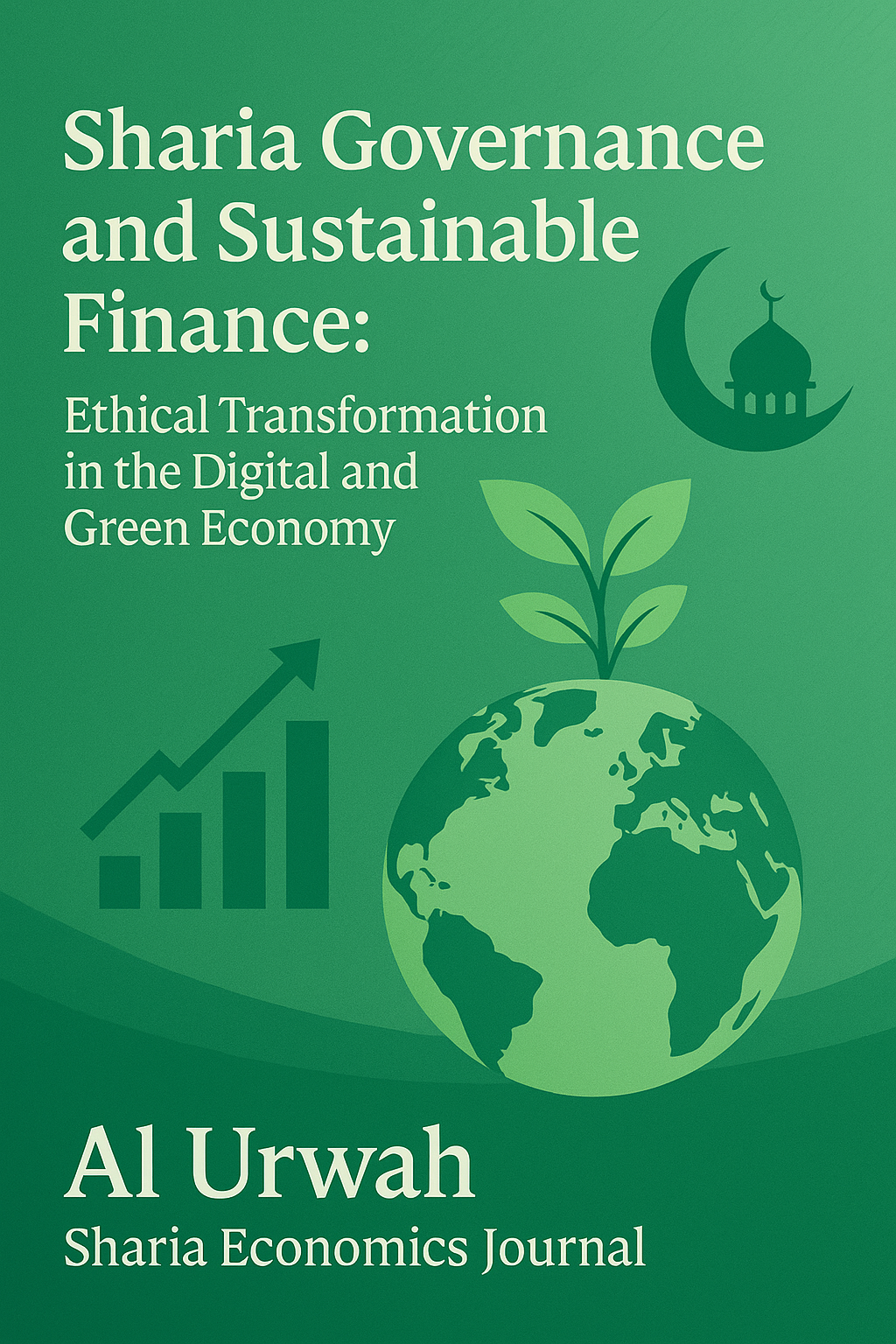
Vol. 3 No. 3 (2026): sharia Governance and Sustainable Finance
					View Vol. 3 No. 3 (2026): sharia Governance and Sustainable Finance

This issue explores the evolving landscape of Islamic finance as it integrates ethical governance, sustainability, and innovation to address global economic challenges. The first article investigates how knowledge, Sharia compliance, religiosity, and local wisdom shape green banking behavior, emphasizing the moral foundation of environmental responsibility in Islamic finance. A maqashid shariah-based evaluation of the Cash Waqf Linked Sukuk (CWLS SW001) highlights the role of sharia instruments in strengthening productive waqf and supporting social welfare. The discussion on ethical integrity and regulatory compliance in Sharia-compliant multi-level marketing stresses the need for transparency and adherence to Islamic ethical principles in modern business models. A comparative study on zakat governance in Malaysia, Turkey, and Indonesia examines how institutional efficiency and social justice can be harmonized across Islamic nations. Finally, the empirical study on financial innovation and Sharia governance reveals the dynamic relationship between cryptocurrencies and traditional banking risk–return structures in Indonesia’s financial ecosystem. Collectively, this edition underscores how faith-based ethics and digital innovation can coexist to create a just, sustainable, and resilient Islamic economic system.

This issue features contributions from researchers in several countries, namely Indonesia presenting a variety of academic perspectives and insights.

Published: 2026-08-12

Articles

View All Issues

Indexing: