Vol. 3 No. 3 (2026): sharia Governance and Sustainable Finance
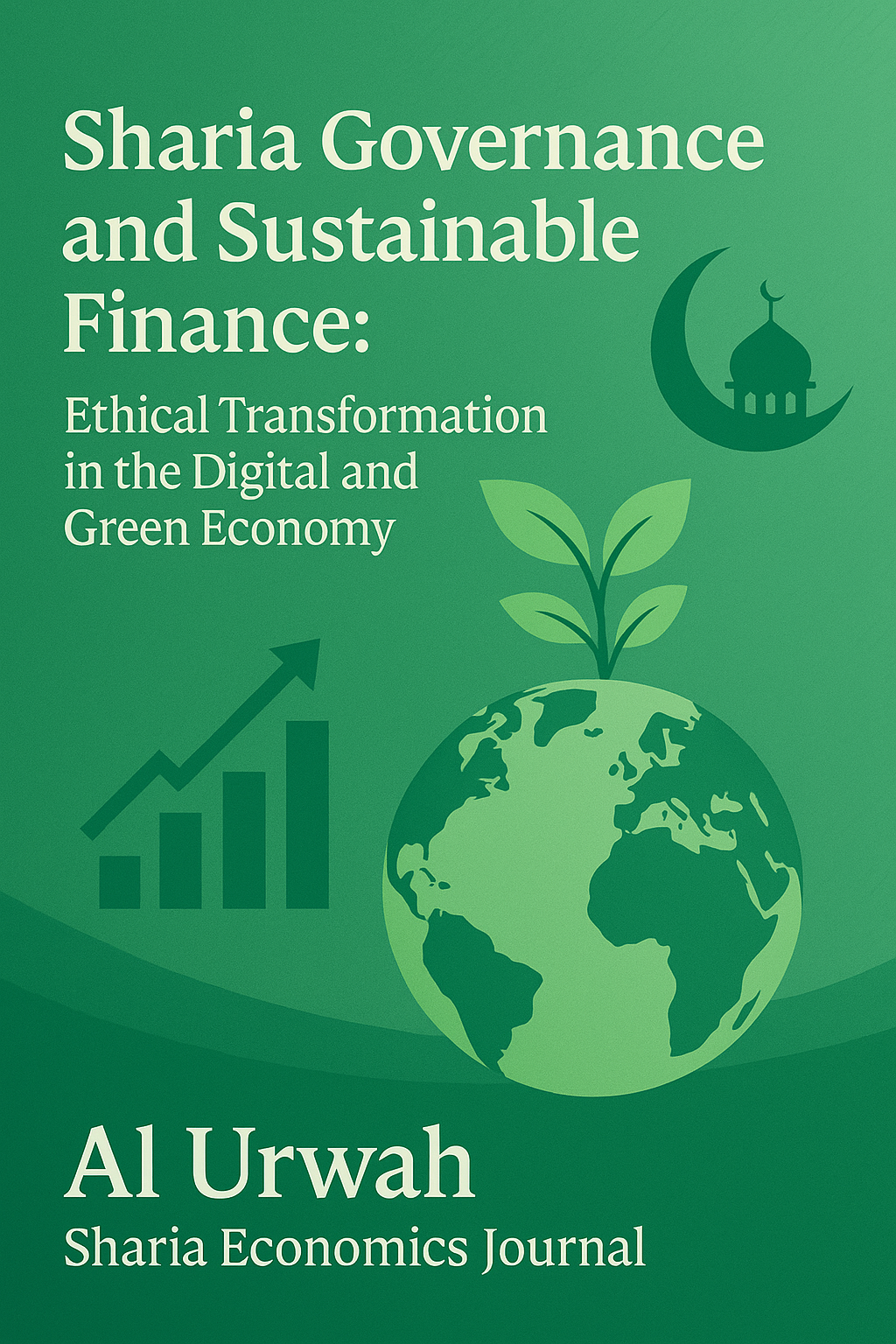
This issue explores the evolving landscape of Islamic finance as it integrates ethical governance, sustainability, and innovation to address global economic challenges. The first article investigates how knowledge, Sharia compliance, religiosity, and local wisdom shape green banking behavior, emphasizing the moral foundation of environmental responsibility in Islamic finance. A maqashid shariah-based evaluation of the Cash Waqf Linked Sukuk (CWLS SW001) highlights the role of sharia instruments in strengthening productive waqf and supporting social welfare. The discussion on ethical integrity and regulatory compliance in Sharia-compliant multi-level marketing stresses the need for transparency and adherence to Islamic ethical principles in modern business models. A comparative study on zakat governance in Malaysia, Turkey, and Indonesia examines how institutional efficiency and social justice can be harmonized across Islamic nations. Finally, the empirical study on financial innovation and Sharia governance reveals the dynamic relationship between cryptocurrencies and traditional banking risk–return structures in Indonesia’s financial ecosystem. Collectively, this edition underscores how faith-based ethics and digital innovation can coexist to create a just, sustainable, and resilient Islamic economic system.
This issue features contributions from researchers in several countries, namely Indonesia presenting a variety of academic perspectives and insights.
Published:
2026-08-12