Archives
-
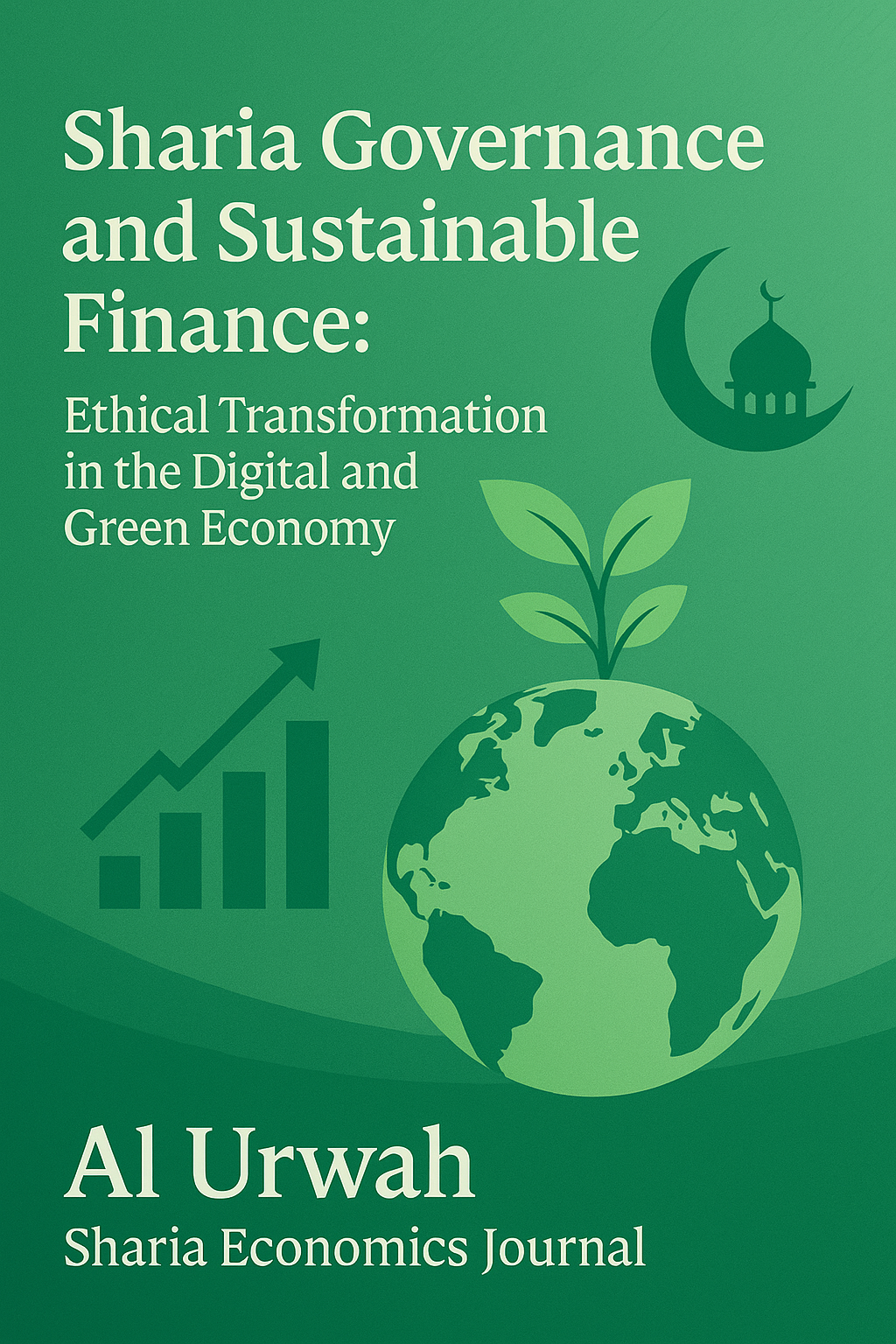
sharia Governance and Sustainable Finance
Vol. 3 No. 3 (2026)This issue explores the evolving landscape of Islamic finance as it integrates ethical governance, sustainability, and innovation to address global economic challenges. The first article investigates how knowledge, Sharia compliance, religiosity, and local wisdom shape green banking behavior, emphasizing the moral foundation of environmental responsibility in Islamic finance. A maqashid shariah-based evaluation of the Cash Waqf Linked Sukuk (CWLS SW001) highlights the role of sharia instruments in strengthening productive waqf and supporting social welfare. The discussion on ethical integrity and regulatory compliance in Sharia-compliant multi-level marketing stresses the need for transparency and adherence to Islamic ethical principles in modern business models. A comparative study on zakat governance in Malaysia, Turkey, and Indonesia examines how institutional efficiency and social justice can be harmonized across Islamic nations. Finally, the empirical study on financial innovation and Sharia governance reveals the dynamic relationship between cryptocurrencies and traditional banking risk–return structures in Indonesia’s financial ecosystem. Collectively, this edition underscores how faith-based ethics and digital innovation can coexist to create a just, sustainable, and resilient Islamic economic system.
This issue features contributions from researchers in several countries, namely Indonesia presenting a variety of academic perspectives and insights. -
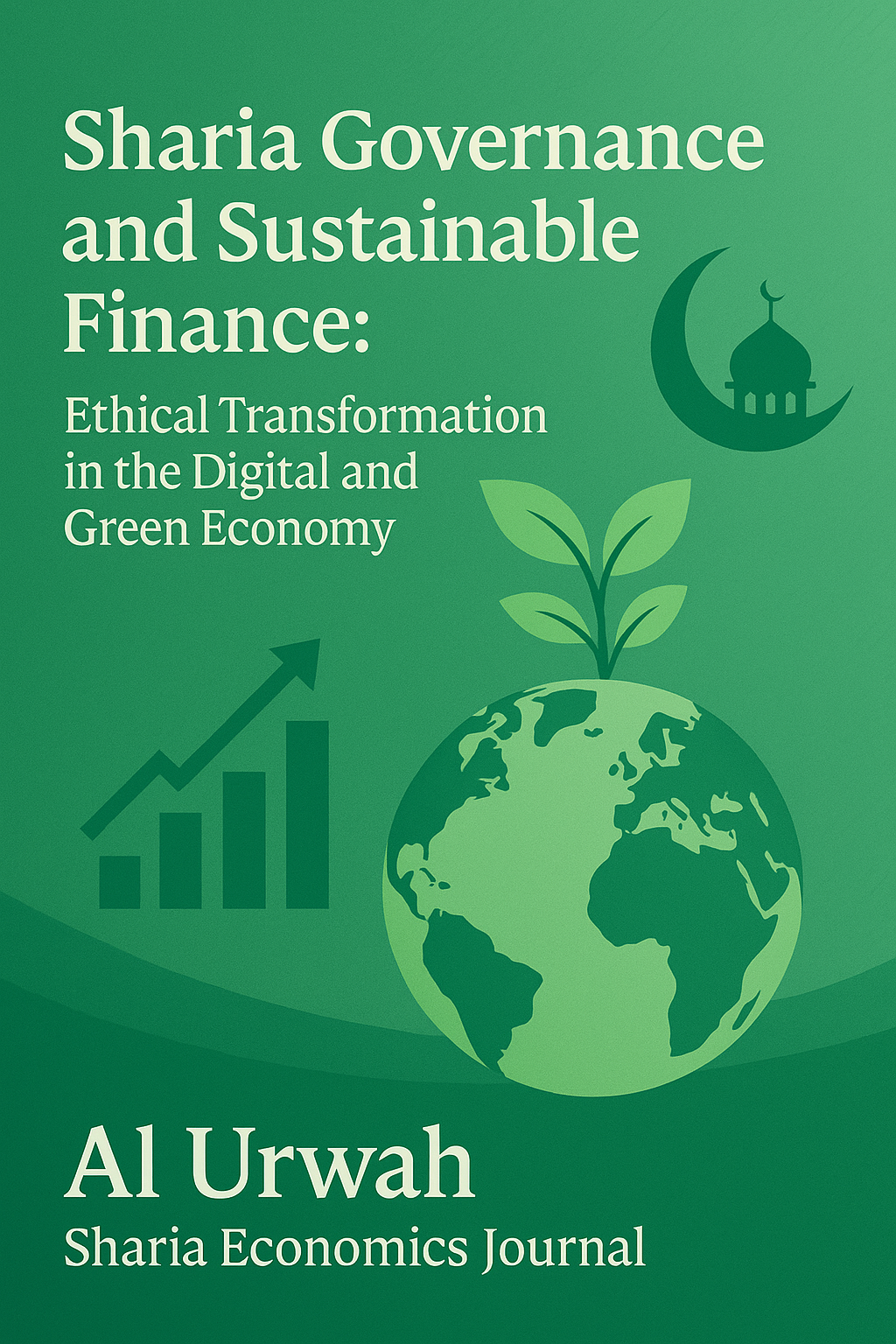
Sharia Governance and Sustainable Finance
Vol. 3 No. 2 (2025)This issue explores the evolving landscape of Islamic finance as it integrates ethical governance, sustainability, and innovation to address global economic challenges. The first article investigates how knowledge, Sharia compliance, religiosity, and local wisdom shape green banking behavior, emphasizing the moral foundation of environmental responsibility in Islamic finance. A maqashid shariah-based evaluation of the Cash Waqf Linked Sukuk (CWLS SW001) highlights the role of sharia instruments in strengthening productive waqf and supporting social welfare. The discussion on ethical integrity and regulatory compliance in Sharia-compliant multi-level marketing stresses the need for transparency and adherence to Islamic ethical principles in modern business models. A comparative study on zakat governance in Malaysia, Turkey, and Indonesia examines how institutional efficiency and social justice can be harmonized across Islamic nations. Finally, the empirical study on financial innovation and Sharia governance reveals the dynamic relationship between cryptocurrencies and traditional banking risk–return structures in Indonesia’s financial ecosystem. Collectively, this edition underscores how faith-based ethics and digital innovation can coexist to create a just, sustainable, and resilient Islamic economic system.
This issue features contributions from researchers in several countries, namely Indonesia presenting a variety of academic perspectives and insights. -
Sharia Governance and Sustainable Finance: Ethical Transformation in the Digital and Green Economy
Vol. 3 No. 1This issue explores the evolving landscape of Islamic finance as it integrates ethical governance, sustainability, and innovation to address global economic challenges. The first article investigates how knowledge, Sharia compliance, religiosity, and local wisdom shape green banking behavior, emphasizing the moral foundation of environmental responsibility in Islamic finance. A maqashid shariah-based evaluation of the Cash Waqf Linked Sukuk (CWLS SW001) highlights the role of sharia instruments in strengthening productive waqf and supporting social welfare. The discussion on ethical integrity and regulatory compliance in Sharia-compliant multi-level marketing stresses the need for transparency and adherence to Islamic ethical principles in modern business models. A comparative study on zakat governance in Malaysia, Turkey, and Indonesia examines how institutional efficiency and social justice can be harmonized across Islamic nations. Finally, the empirical study on financial innovation and Sharia governance reveals the dynamic relationship between cryptocurrencies and traditional banking risk–return structures in Indonesia’s financial ecosystem. Collectively, this edition underscores how faith-based ethics and digital innovation can coexist to create a just, sustainable, and resilient Islamic economic system.
This issue features contributions from researchers in several countries, namely Indonesia, Malaysia and Iran, presenting a variety of academic perspectives and insights. -
Vol. 2 No. 4 (2025)
Al Urwah : Sharia Economics Journal is a distinguished scholarly platform devoted to the exploration and advancement of Islamic economics and its multifaceted dimensions. This esteemed journal serves as a vital conduit for academics, researchers, economists, and practitioners to delve into insightful analysis, research findings, and innovative perspectives within the realm of economics guided by Islamic principles.
-
Al Urwah : Sharia Economics Journal
Vol. 2 No. 3 (2025)Al Urwah : Sharia Economics Journal is a distinguished scholarly platform devoted to the exploration and advancement of Islamic economics and its multifaceted dimensions. This esteemed journal serves as a vital conduit for academics, researchers, economists, and practitioners to delve into insightful analysis, research findings, and innovative perspectives within the realm of economics guided by Islamic principles.
-
Empowering Islamic Finance and the Creative Economy: Innovation, Compliance, and Socioeconomic Growth
Vol. 2 No. 1This issue explores the progressive transformation of Indonesia’s Islamic financial sector through innovation, compliance, and inclusivity. The first study examines how Sharia compliance at Bank Syariah Indonesia Padang Ulak Karang Branch fosters economic stability and strengthens public trust. Moving beyond conventional models, Islamic financial innovations are shown to revitalize micro and medium enterprises, positioning them as key drivers of sustainable development. The role of productive waqf emerges as a catalyst for SME growth in Padang, integrating social welfare with economic empowerment. Further, the introduction of an Innovative Syariah Financial Index offers a novel metric for assessing financial performance aligned with ethical and religious principles. Complementing these financial perspectives, the exploration of the creative economy within a Sharia framework highlights the contribution of West Sumatran SMEs in harmonizing cultural identity, entrepreneurship, and faith-based economics. Collectively, this edition underscores the vital synergy between innovation, Sharia values, and entrepreneurship in advancing inclusive and resilient economic growth.
This issue features contributions from researchers representing several regions in Indonesia, showcasing diverse academic perspectives and insights -

Al Urwah : Sharia Economics Journal
Vol. 1 No. 3 (2024)Al Urwah : Sharia Economics Journal is a distinguished scholarly platform devoted to the exploration and advancement of Islamic economics and its multifaceted dimensions. This esteemed journal serves as a vital conduit for academics, researchers, economists, and practitioners to delve into insightful analysis, research findings, and innovative perspectives within the realm of economics guided by Islamic principles.
-
Innovating Islamic Finance: Service Excellence, Digital Transformation, and Ethical Empowerment
Vol. 1 No. 2This journal issue highlights the transformative role of innovation, digitalization, and ethical governance in shaping the future of Islamic finance in Indonesia. The featured studies explore how innovative service engagement strengthens customer loyalty and competitiveness in Sharia banking, particularly in Padang. The analysis of e-service quality, e-trust, and e-word of mouth within LinkAja Sharia reveals how digital platforms enhance satisfaction and reinforce consumer confidence. Another study showcases the impact of SIMBA technology in optimizing zakat, infaq, and sadaqah management at Baznas Bukittinggi, demonstrating digital efficiency in social finance. Legal and consumer perspectives are addressed through research on halal-certified Minang cuisine, emphasizing the necessity of robust protection frameworks to ensure compliance and consumer trust. Lastly, the exploration of Sharia principles’ implementation in the financial industry underscores their stabilizing influence on economic systems, as seen in the case of Bank BTPN Syariah. Together, these articles present a forward-looking vision of how innovation and integrity drive sustainable progress within Indonesia’s Islamic financial ecosystem.
This issue features contributions from researchers representing several regions in Indonesia, showcasing diverse academic perspectives and insights -
Islamic Finance and Institutional Resilience: Strengthening Performance, Ethics, and Economic Stability
Vol. 1 No. 1This issue explores the evolving dynamics of Islamic financial institutions and their strategic role in promoting economic resilience and ethical performance across Indonesia. The featured articles analyze how macroeconomic and microeconomic factors shape the financial health of Islamic commercial banks, highlighting the need for adaptive strategies in volatile markets. A case study of BMT Kamang Mudiak illustrates the pivotal contribution of microfinance in elevating member income and fostering local empowerment. The exploration of employee performance through Islamic values, skills, and motivation provides insights into how spirituality and human capital intertwine within organizational culture. Meanwhile, a study on capital structure in sharia pawn institutions sheds light on financial management practices that balance liquidity, risk, and compliance. Finally, the examination of earnings management in Islamic banking through the Modified Jones Model reveals critical ethical and governance considerations. Collectively, this issue underscores how Islamic finance integrates morality, productivity, and sustainability to build a more equitable and resilient economic system.
This issue features contributions from researchers representing several regions in Indonesia, showcasing diverse academic perspectives and insights